
Category: Buy Diazepam Online
Showing all 3 results
-
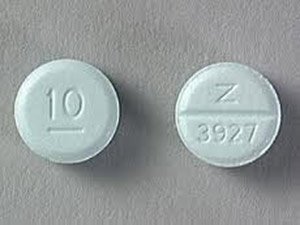
Diazepam 10mg
Price range: $329.00 through $859.00Select options This product has multiple variants. The options may be chosen on the product page -
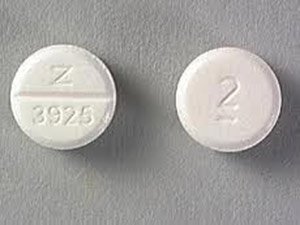
Diazepam 2mg
Price range: $329.00 through $859.00Select options This product has multiple variants. The options may be chosen on the product page -
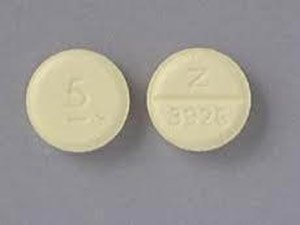
Diazepam 5mg
Price range: $329.00 through $859.00Select options This product has multiple variants. The options may be chosen on the product page
What is Diazepam?
Diazepam is a versatile medication primarily utilized to manage anxiety disorders and alleviate the symptoms associated with alcohol withdrawal. Beyond its psychiatric applications, it serves as an effective muscle relaxant, helping to calm muscle spasms, and plays a crucial role in regulating specific types of seizure disorders.
Therapeutic Applications for Pediatric Patients
For children between the ages of two and five suffering from acute repeated seizures—often described as seizure clusters—a specific delivery method known as diazepam buccal film is frequently as a short-term intervention. This targeted approach ensures that pediatric patients receive rapid relief when they need it most.
The Science Behind Diazepam
Diazepam belongs to the pharmacologic class known as benzodiazepines. These medications function as central nervous system (CNS) depressants, working to slow down excessive activity in the brain and nervous system. By enhancing the effects of specific neurotransmitters, the drug helps promote a state of calm and inhibits the hyperexcitability that leads to seizures or severe anxiety.
how Diazepam interacts with your nervous system is crucial for informed use. While many individuals look to buy Diazepam online to manage anxiety or muscle spasms, it is essential to comprehend the pharmacological mechanics behind its effectiveness.
The Pharmacological Mechanism of Diazepam
Diazepam is a benzodiazepine that acts as a central nervous system depressant. Its primary function is to enhance the inhibitory signaling of Gamma-Aminobutyric Acid (GABA), the brain’s principal inhibitory neurotransmitter.
1. The Binding Mechanism
Diazepam functions as a positive allosteric modulator at the $GABA_A$ receptor complex. Unlike GABA itself, which binds to a specific site between the alpha and beta subunits, Diazepam binds to a distinct regulatory pocket located at the interface of the alpha and gamma subunits.
2. Enhancing GABAergic Signaling
When Diazepam occupies this site, it induces a conformational change in the $GABA_A$ receptor. This shift significantly increases the receptor’s affinity for GABA. Consequently, even low concentrations of naturally occurring GABA become much more effective at tethering to the receptor.
3. Chloride Ion Flux and Hyperpolarization
The activation of the $GABA_A$ receptor triggers the opening of an integral chloride ion channel. Diazepam increases the frequency at which these channels open. As negatively charged chloride ions flow into the neuron, the interior of the cell becomes hyperpolarized (more negatively charged).
4. Neuronal Inhibition
This hyperpolarized state creates an “inhibitory threshold,” making it significantly more difficult for the neuron to reach the voltage required to fire an action potential. By stabilizing these neurons, Diazepam effectively quiets overactive neural circuits, leading to anxiolytic, sedative, and muscle-relaxant effects.
Active Ingredients and Metabolic Pathways
When you buy Diazepam online, you are consuming a primary pharmacological agent that the body processes through a complex metabolic pipeline. The clinical effects of the medication are not solely due to the original molecule, but also its active metabolites.
Excipients and Non-Medicinal Components
- Fillers/Diluents: Lactose (Monohydrate or Anhydrous), Microcrystalline cellulose
- Disintegrants: Sodium starch glycolate, Pregelatinized corn starch (or standard corn starch)
- Lubricants & Glidants: Magnesium stearate, Calcium stearate, Colloidal silicon dioxide
- Surfactants: Sodium lauryl sulfate
- Aesthetic Agents: Pharmaceutical-grade colorants
Origins and Early Breakthroughs
The story of diazepam begins with the foundational work of chemist Leo Sternbach at Hoffmann-La Roche. Building upon his 1955 discovery of chlordiazepoxide—the world’s first benzodiazepine—Sternbach sought to refine the compound’s potency and stability. His efforts culminated in the synthesis of diazepam, which was officially patented in 1959. This marked a paradigm shift in pharmacology, introducing a class of drugs that offered a more targeted approach to managing nervous system excitability.
The “Valium” Phenomenon
When diazepam hit the U.S. market in 1963 under the trade name Valium, it sparked a cultural and medical revolution. By the late 1960s, it had cemented its status as a household name and a staple of the modern medicine cabinet. Its meteoric rise was unprecedented; between 1968 and 1982, it reigned as the best-selling pharmaceutical in the United States. At its zenith in 1978, production reached a staggering milestone, with over 2 billion tablets distributed to a public increasingly turning to the drug for anxiety and stress relief.
FDA status of Diazepam
Diazepam has a long-standing history of medical utility, evolving significantly since its initial FDA approval. While the oral tablet was first introduced in 1963 to manage anxiety, muscle spasms, and alcohol withdrawal, the delivery methods have since expanded to meet modern clinical needs. By 1997, a rectal gel formulation was introduced to provide rapid relief for seizure clusters in epilepsy patients. Most recently, in 2020, the FDA approved a nasal spray version (Valtoco) to offer a more convenient, fast-acting treatment option for patients aged two and older suffering from intermittent seizure clusters. For those seeking reliable access to these FDA-approved treatments, platforms like seattlepharma.com provide legitimate pharmaceutical solutions.
Standard Adult Oral Dosage Guidelines
- Anxiety Management: Therapy typically initiates at 2 mg to 10 mg, administered 3 to 4 times per day, depending on the severity of symptoms.
- Alcohol Withdrawal: Treatment usually begins with a 10 mg dose, followed by 5 mg increments as needed, administered 3 to 4 times daily under medical supervision.
- Muscle Spasms: Standard management involves 2 mg to 10 mg doses, taken 3 to 4 times daily to assist in alleviating muscular tension.
- Seizure Control: The typical range is 2 mg to 10 mg, administered 2 to 4 times per day as part of an overall therapeutic regimen.
Essential Clinical Considerations
To maximize safety and therapeutic efficacy, adhere to the following best practices:
- Individualized Titration: There is no “one-size-fits-all” approach. Physicians recommend starting at the lowest possible effective dose, gradually adjusting based on individual response to achieve the optimal balance between symptom relief and minimal side effects.
- Strict Duration Limits: To mitigate the risk of physical dependence and tolerance, Diazepam is intended for short-term use, typically limited to a 2- to 4-week window. Long-term use should only occur under the direct, ongoing assessment of a healthcare provider.
- Regulatory Compliance: If you are obtaining Diazepam through digital pharmacy services, ensure the source is legitimate and licensed. Always provide a valid prescription from a qualified physician who has reviewed your medical history. Never bypass professional consultation, as self-medicating with benzodiazepines carries significant risks, including respiratory depression and withdrawal symptoms if discontinued abruptly.
Warnings and precautions while using Diazepam
Critical Safety Warnings
- Respiratory Risks: Diazepam can dangerously slow or stop your breathing, particularly if you have recently consumed opioids, alcohol, or other central nervous system depressants.
- Dependency and Misuse: This medication carries a high risk of psychological and physical dependency. It must only be used by the person for whom it was prescribed. Sharing this medication is illegal and life-threatening. Always store it in a secure location out of reach of children or others.
- Withdrawal Protocols: Never discontinue the use of Diazepam abruptly, especially after long-term use. Suddenly stopping the medication can trigger severe withdrawal symptoms, some of which may persist for months or years. Always work with your healthcare provider to taper your dosage safely.
Situations Where Diazepam Should Be Avoided
You should not use Diazepam if you have any of the following medical conditions, as it may exacerbate them or lead to severe complications:
- Severe Respiratory Impairment: Including chronic obstructive pulmonary disease (COPD) or untreated sleep apnea.
- Myasthenia Gravis: A condition involving muscle weakness that can be worsened by benzodiazepines.
- Liver Disease: Severe hepatic impairment significantly alters how the body metabolizes this drug.
- Narrow-Angle Glaucoma: Diazepam can increase intraocular pressure in patients with this specific condition.
- Allergic Reactions: Do not use if you have a known history of hypersensitivity to Diazepam or other benzodiazepines (such as alprazolam, lorazepam, or clonazepam).
Potential side effects of Diazepam
Let your healthcare expert know if you have sudden or new changes in behavior or mood, such as worse anxiety or depression, trouble sleeping, panic attacks, or if you feel irritable, impulsive, hostile, agitated, restless, or have self-harming thoughts.
Common side effects of diazepam may include-
- Tiredness, sleepiness
- Muscle weakness
- Issues with muscle movement or balance
Severe side effects-
- Sensation of spinning
- Indigestion
- Double vision, dry mouth
- Diarrhea
These side effects may go away as your body gets used to the medication. You need to be cautious after you buy Diazepam online.
Where to buy Diazepam online?
Diazepam is a potent benzodiazepine medication primarily to manage severe anxiety disorders, muscle spasms, and the acute symptoms of alcohol withdrawal. Because of its potential for dependency and interaction with other substances, it is classified as a controlled substance that should only be obtained through a legitimate, pharmacy-dispensed prescription issued by a licensed physician.
The Risks of Unregulated Online Purchases
While the internet offers convenience, purchasing prescription drugs from unverified websites is dangerous for several reasons:
- Counterfeit Medications: Drugs obtained from unauthorized sources may be tainted, ineffective, or contain lethal ingredients.
- Lack of Medical Oversight: Medications like Diazepam require careful dosage titration and interaction monitoring by a doctor. Using these drugs without professional supervision can lead to dangerous side effects or addiction.
- Legal Risks: Buying controlled substances online without a valid prescription is illegal and can lead to serious consequences.
Important Safety Precautions
- Consultation is Key: Before starting Diazepam, a doctor must evaluate your medical history to ensure the medication is appropriate for you.
- Contraindications: This medication is generally not recommended for individuals who are pregnant, breastfeeding, or those with a history of substance abuse. It can also cause severe reactions when combined with alcohol or certain other medications.
- Short-Term Use: Medical guidelines typically recommend using benzodiazepines only for short periods to avoid the risks of physical dependence and diminished efficacy.
FAQs (Frequently Asked Questions)
What are the common side effects of Diazepam? While effective for specific conditions, Diazepam online can cause a range of side effects. Beyond the common feelings of drowsiness, fatigue, and lightheadedness, users might experience paradoxical reactions such as increased muscle spasticity or irritability. Other potential side effects include a diminished appetite, vertigo, a feeling of “numbed emotions” or detachment, and in some cases, allergic hypersensitivity.
How long should I stay on Diazepam? Because this medication is intended for short-term relief, doctors typically limit prescriptions to a window of two to four weeks. This strict timeframe is designed to mitigate the physical and psychological risks of dependence. Your healthcare provider will personalize your treatment plan, but the goal is always to treat the underlying issue while minimizing long-term exposure.
Is Diazepam addictive? Yes, Diazepam carries a significant risk of dependence, even when the medication is taken exactly as prescribed. The risk profile shifts upward as dosages increase or the duration of treatment extends. To maintain safety, it is standard practice to adhere to the “lowest effective dose” protocol, ensuring you only use the medication for the bare minimum amount of time required to manage your symptoms.
How quickly does Diazepam take effect? The onset of action varies depending on the medical need and the route of administration:
- For Anxiety: You may notice a subtle calming effect within a few hours, though reaching the full therapeutic benefit can take one to two weeks of consistent management.
- For Muscle Spasms: Relief typically begins to set in around 15 minutes after oral ingestion.
- For Seizures: When administered via a rectal tube (often used in emergency settings), the medication is designed for rapid absorption, typically taking effect within 10 minutes to help stop active seizure activity.
Recently Purchased
-
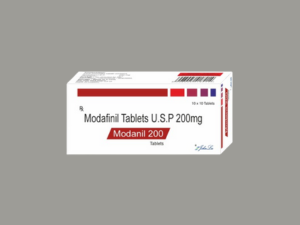 Modafinil 200mg
Price range: $169.00 through $859.00
Modafinil 200mg
Price range: $169.00 through $859.00
-
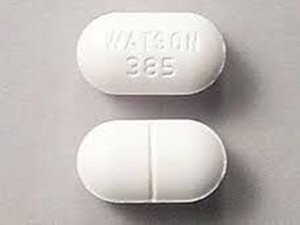 Hydrocodone 7.5/500mg
Price range: $329.00 through $859.00
Hydrocodone 7.5/500mg
Price range: $329.00 through $859.00
-
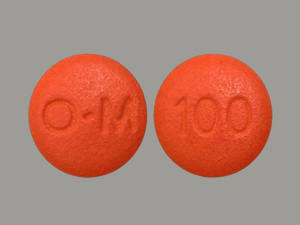 Tapentadol 100mg
Price range: $329.00 through $859.00
Tapentadol 100mg
Price range: $329.00 through $859.00
-
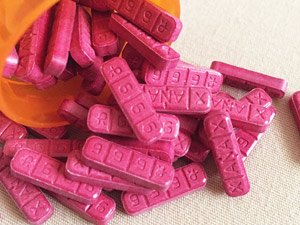 Red Xanax Bar
Price range: $329.00 through $859.00
Red Xanax Bar
Price range: $329.00 through $859.00
-
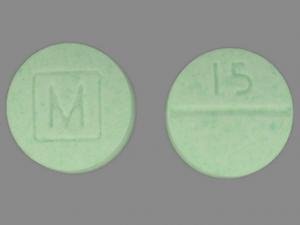 Oxycodone 15mg
Price range: $329.00 through $859.00
Oxycodone 15mg
Price range: $329.00 through $859.00